
Keynote Speakers
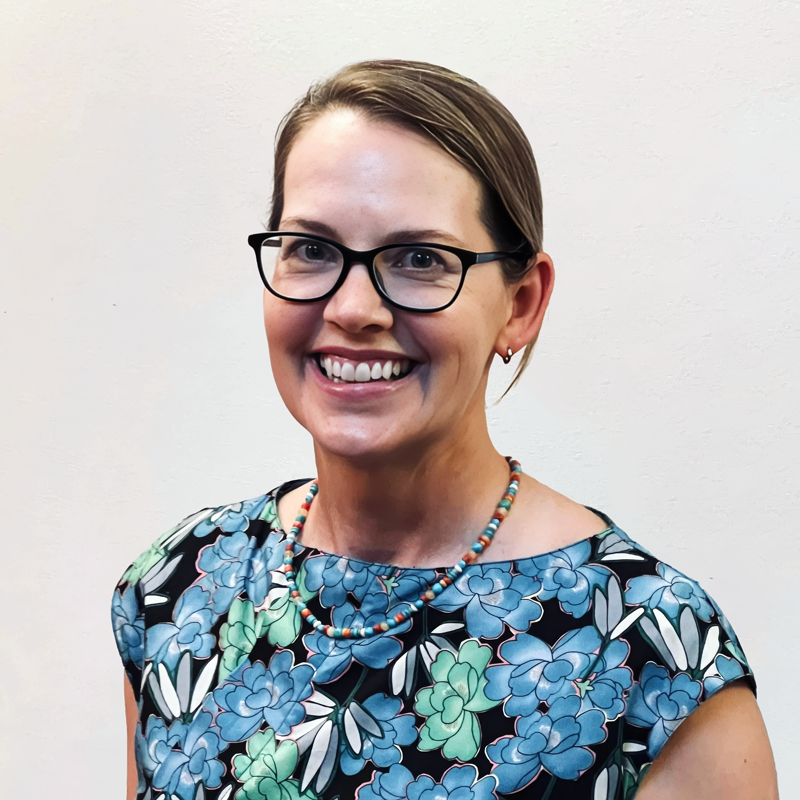
Shannon Ames
Shannon Ames has served as Executive Director of the Low Impact Hydropower Institute (LIHI), a nonprofit organisation dedicated to reducing the environmental impact of hydropower through its certification programme since 2016. With her extensive experience bridging industry, policy and society, Shannon has developed renewable energy standards and climate change legislation at state and national levels. She has also served on the boards of numerous educational, environmental, and industry organisations. Throughout her career, she has advocated for hydropower practices that prioritise protecting environmental, recreational, historical and cultural values.
Tina Buckland
Tina Buckland has a PhD in Evolutionary Ecology from Umeå University,
Sweden. For the last 20 years, she has worked as a civil servant at
County Administrative Boards assessing compliance with environmental
legislation. Since 2012, Tina has focused on hydropower and is the
regional coordinator for the ongoing reassessment of hydroelectric power
plants and reservoirs in Sweden. She has also served as an expert for
Swedish Government Official Reports and the Swedish Land and Environment
Court.
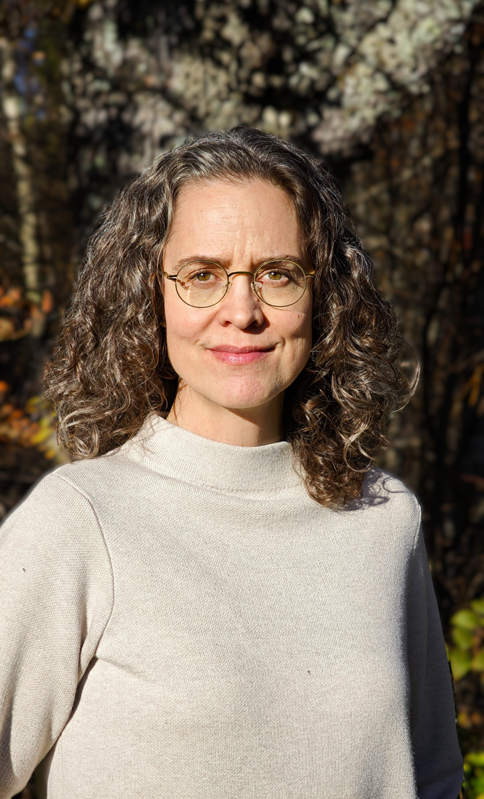
Tina Buckland
Tina Buckland has a PhD in Evolutionary Ecology from Umeå University,
Sweden. For the last 20 years, she has worked as a civil servant at
County Administrative Boards assessing compliance with environmental
legislation. Since 2012, Tina has focused on hydropower and is the
regional coordinator for the ongoing reassessment of hydroelectric power
plants and reservoirs in Sweden. She has also served as an expert for
Swedish Government Official Reports and the Swedish Land and Environment
Court.
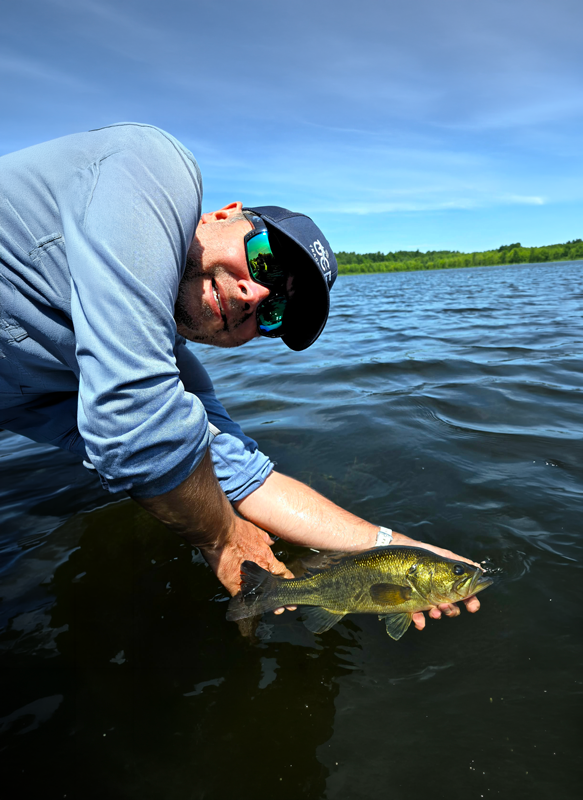
Steven J. Cooke
Steven J. Cooke is a Canada Research Professor at Carleton University in
Ottawa, Canada. His research spans the natural and social sciences with
a focus on solving complex problems facing aquatic ecosystems. Current
projects explore topics related to quantifying fish-hydropower interactions, assessing habitat quality, improving ecological restoration, and understanding the gap between science and practice. He is also the founding Director of the Canadian Centre for Evidence-Informed Conservation. He serves as a Canadian Commissioner for the Great Lakes Fishery Commission and as the Editor-in-Chief of the American Fisheries Society magazine Fisheries, Co-Editor-in-Chief for
the new journal Freshwater Policy & Practice, and Emeritus Editor and Strategic Advisor for the journal Conservation Physiology. Steven J. Cooke is a Clarivate Highly Cited Researcher and Fellow of the Royal Society of Canada.
Nicolas Lamouroux
Nicolas Lamouroux is the Research Director of RiverLy, a research unit from the French National Research Institute for Agriculture, Food and Environment (INRAE). At RiverLy, he leads a multidisciplinary team of over 140 collaborators, including researchers from diverse areas of expertise addressing the functioning of hydrosystems. He has contributed extensively to scientific and applied advances in ecohydraulics, habitat modelling, flow management and the ecological responses of aquatic communities to flow alterations. His contributions include, among others, the development and application of habitat models and software to support environmental flow assessment and flow management from stream to catchment scales, in France and elsewhere. He also serves on the Coordination Committee of the Rhône River restoration programme (RhônEco), an interdisciplinary scientific programme that monitors the restoration of the Rhône, and co-presided over the Rhône Basin Long-Term Socio-Ecological Research Platform (LTSER Rhône – ZABR), a multidisciplinary research network dedicated to understanding the ecological and social dynamics of aquatic ecosystems across the Rhône River basin.
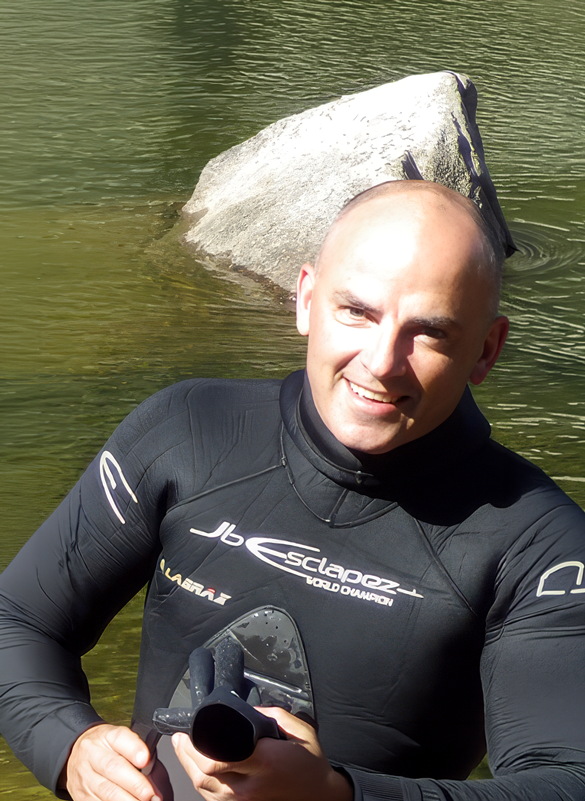
Nicolas Lamouroux
Nicolas Lamouroux is the Research Director of RiverLy, a research unit from the French National Research Institute for Agriculture, Food and Environment (INRAE). At RiverLy, he leads a multidisciplinary team of over 140 collaborators, including researchers from diverse areas of expertise addressing the functioning of hydrosystems. He has contributed extensively to scientific and applied advances in ecohydraulics, habitat modelling, flow management and the ecological responses of aquatic communities to flow alterations. His contributions include, among others, the development and application of habitat models and software to support environmental flow assessment and flow management from stream to catchment scales, in France and elsewhere. He also serves on the Coordination Committee of the Rhône River restoration programme (RhônEco), an interdisciplinary scientific programme that monitors the restoration of the Rhône, and co-presided over the Rhône Basin Long-Term Socio-Ecological Research Platform (LTSER Rhône – ZABR), a multidisciplinary research network dedicated to understanding the ecological and social dynamics of aquatic ecosystems across the Rhône River basin.
António Pinheiro
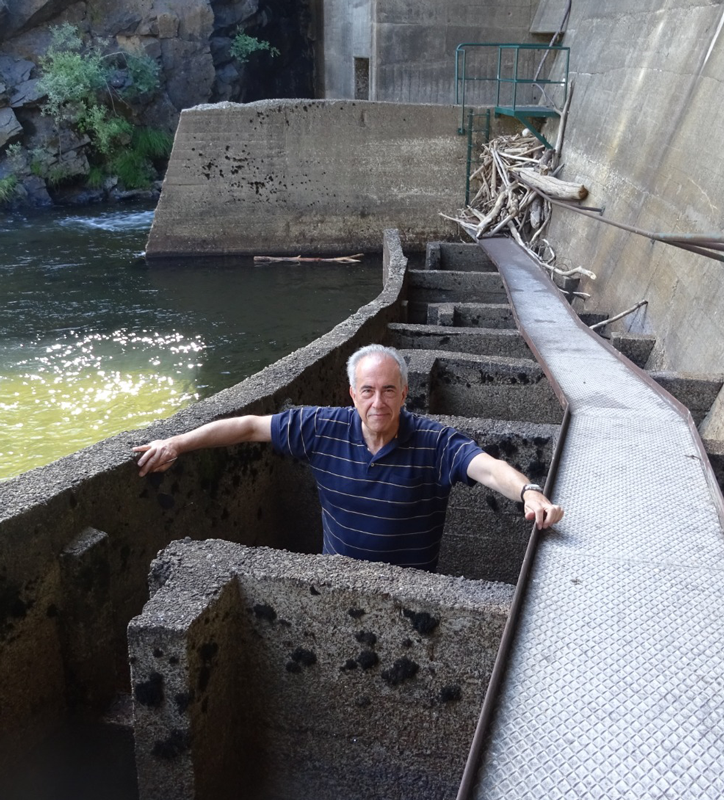
António Pinheiro began his career in 1980 as a Hydraulic Engineer at
Hidrotécnica Portuguesa, the largest Portuguese consulting company at
the time. He joined Instituto Superior Técnico (IST), University of
Lisbon, in 1985, where he earned his PhD in 1995. He is currently a Full
Professor of Hydraulics and Hydraulic Structures in the Department of
Civil Engineering at IST. He has extensive experience in teaching, research, and design in the fields of hydraulic works and ecohydraulics and has contributed to the establishment of the PhD programme in River Management and Restoration. He has authored or co-authored more than 200 journal articles and
conference papers. His research has covered topics such as habitat modelling, pool-and-weir fishways, environmental flows, stepped spillways, energy dissipation, and dam safety. António Pinheiro is a former president of both the Portuguese Water Resources Association (1998–2000) and the Department of Civil
Engineering, Architecture and Environment at IST (2023–2024), and a co-founder of the consulting company Aqualogus, Engenharia e Ambiente, established in 1996. He is an active member of the Portuguese Commission for Dam Safety.
Stefan Schmutz
Stefan Schmutz is a Professor of Aquatic Ecosystem Analysis at BOKU University in Vienna, working within the Institute of Hydrobiology and Aquatic Ecosystem Management. His academic research centers on river and fish ecology across European and international river basins. He is a leading authority on the ecological impacts of hydropower, investigating flow alterations, habitat connectivity, and fish protection. He actively contributes to environmental conservation by developing science-based mitigation strategies and river restoration frameworks.
Premiering at SUSHP2027, Stefan Schmutz will present a documentary – Let the Rivers Flow – a scientific journey, offering deep insights into current research examining the far-reaching ecological impacts of hydropower projects while highlighting concrete, forward-looking mitigation options and conservation strategies to preserve the delicate balance of our rivers.
Stefan Schmutz
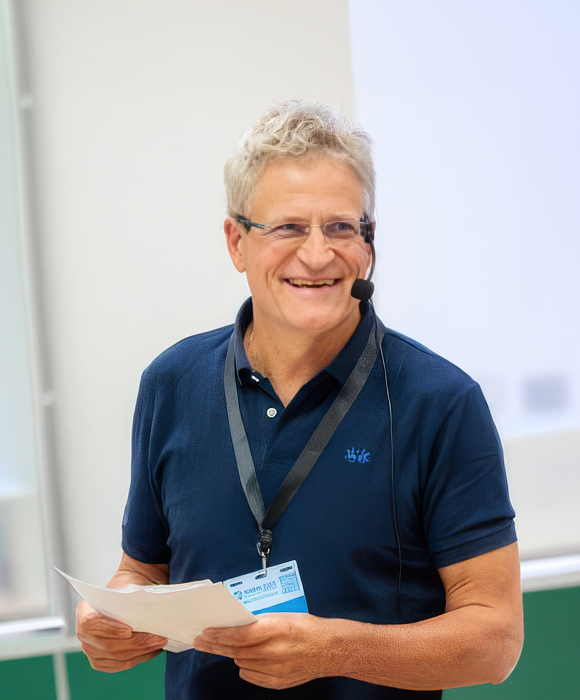
Stefan Schmutz is a Professor of Aquatic Ecosystem Analysis at BOKU University in Vienna, working within the Institute of Hydrobiology and Aquatic Ecosystem Management. His academic research centers on river and fish ecology across European and international river basins. He is a leading authority on the ecological impacts of hydropower, investigating flow alterations, habitat connectivity, and fish protection. He actively contributes to environmental conservation by developing science-based mitigation strategies and river restoration frameworks.
Premiering at SUSHP2027, Stefan Schmutz will present a documentary – Let the Rivers Flow – a scientific journey, offering deep insights into current research examining the far-reaching ecological impacts of hydropower projects while highlighting concrete, forward-looking mitigation options and conservation strategies to preserve the delicate balance of our rivers.